A meaningful trip
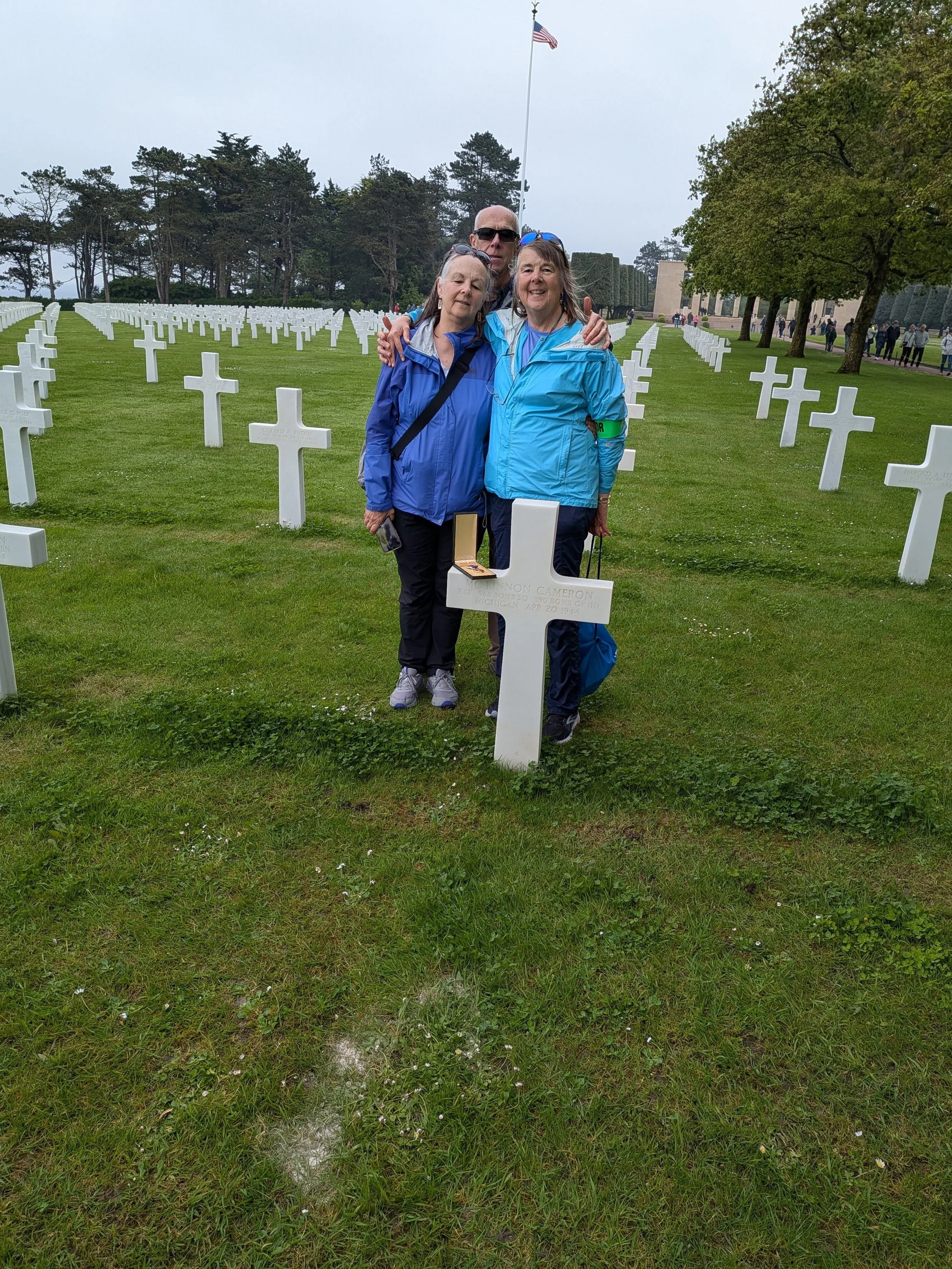
McKinnon Cameron’s grave at the American Cemetery in Normandy France
There is a lot wrapped up in this picture. Two of my three sisters and I (and my brother in law) met in France and traveled to Normandy to the American Cemetery right next to Omaha Beach, where the D-day landing took place in June of 1944. I carried some of my Dad’s cremains, he died in 2019, and most of his cremains are at the family plot in Michigan. It was from Michigan that his brother left to fight in WWII. McKinnon (his brother), was part of the bombing campaigns to “soften up” the defenses of the Germans. There was a nearby coastal city that had a deep water port that the allies wanted to control. The museum associated with the cemetery was able to pull up a German record stating that my uncle “Mac” had been shot down by flak, and was found “without a parachute”, briefly buried in the British cemetery (by the Germans who treated their enemy with some respect). He was later reburied in the American Cemetery. I was only vaguely aware of these details and never really knew what his bombing mission was or that he had been shot down, as opposed to say a mechanical issue. My father adored his brother who was 6 years older, and he agreed before he died that he wanted to be rejoined with him in death. When my Dad was in his 70s he admitted to me that he had lost his faith in God when his brother was killed because he had prayed for his return safely, and blamed God for the cruel death of his brother. With the thousands of graves at this site, and others in France, I had a great appreciation for the effort it took to dislodge Hitler’s forces from France, where they had built up defenses for years. I’m sure my Dad was not the only one whose faith was tested and changed forever.
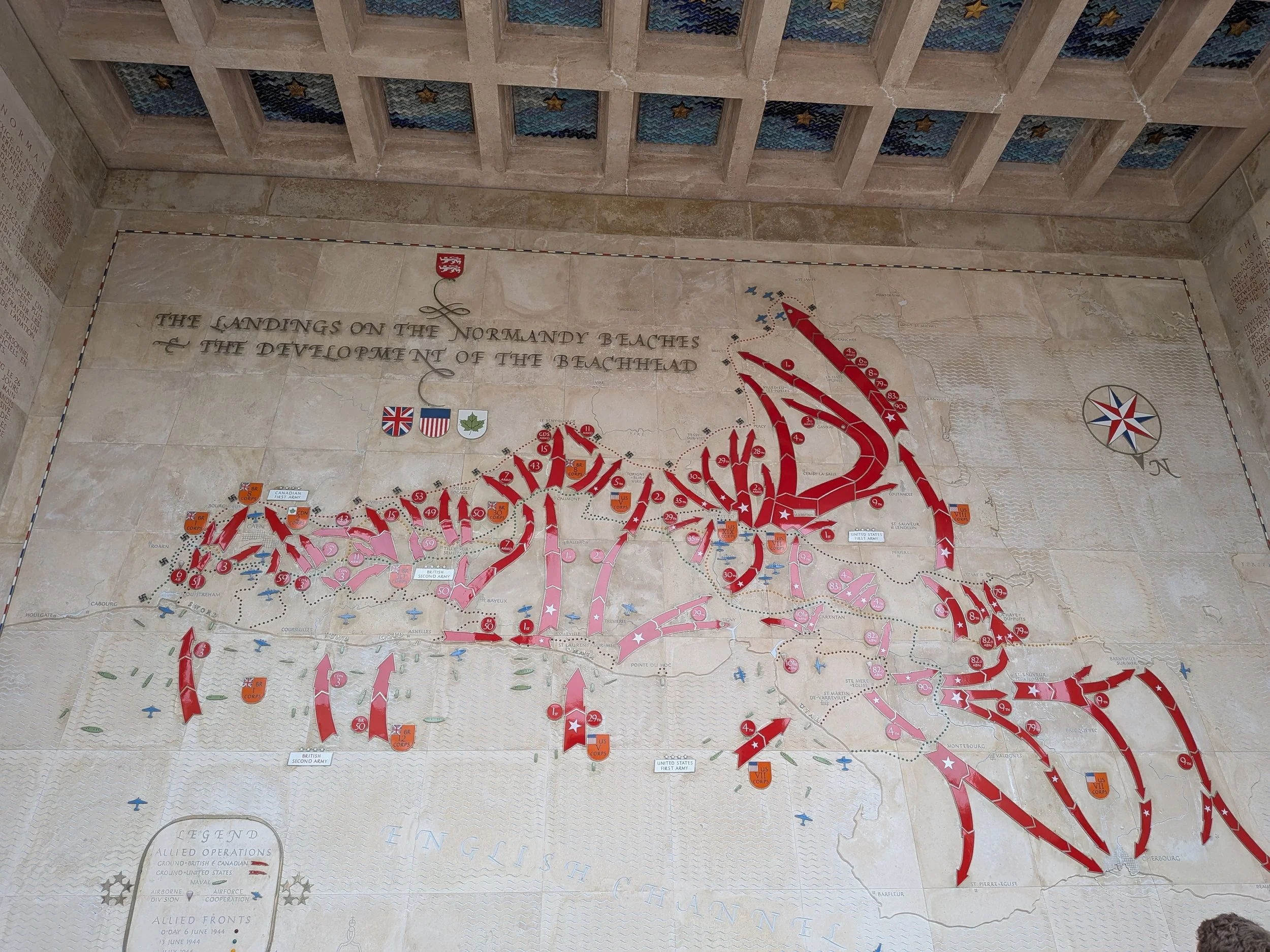
The D-Day invasion, not North is down on the map, and the troops came across the English Channel from Great Britain. There were British, Canadian, and American troops all under Eisenhower’s command.
I learned a lot about the people and gear that was used to fight these battles. Bomb craters were still visible at Point de Hoc, where Army Rangers had to scale cliff walls to knock down German guns that were highly defended. I also could see why the battles were so hard fought with boggy terrain, insanely dense growth of plants near the edges of fields, and on and on.
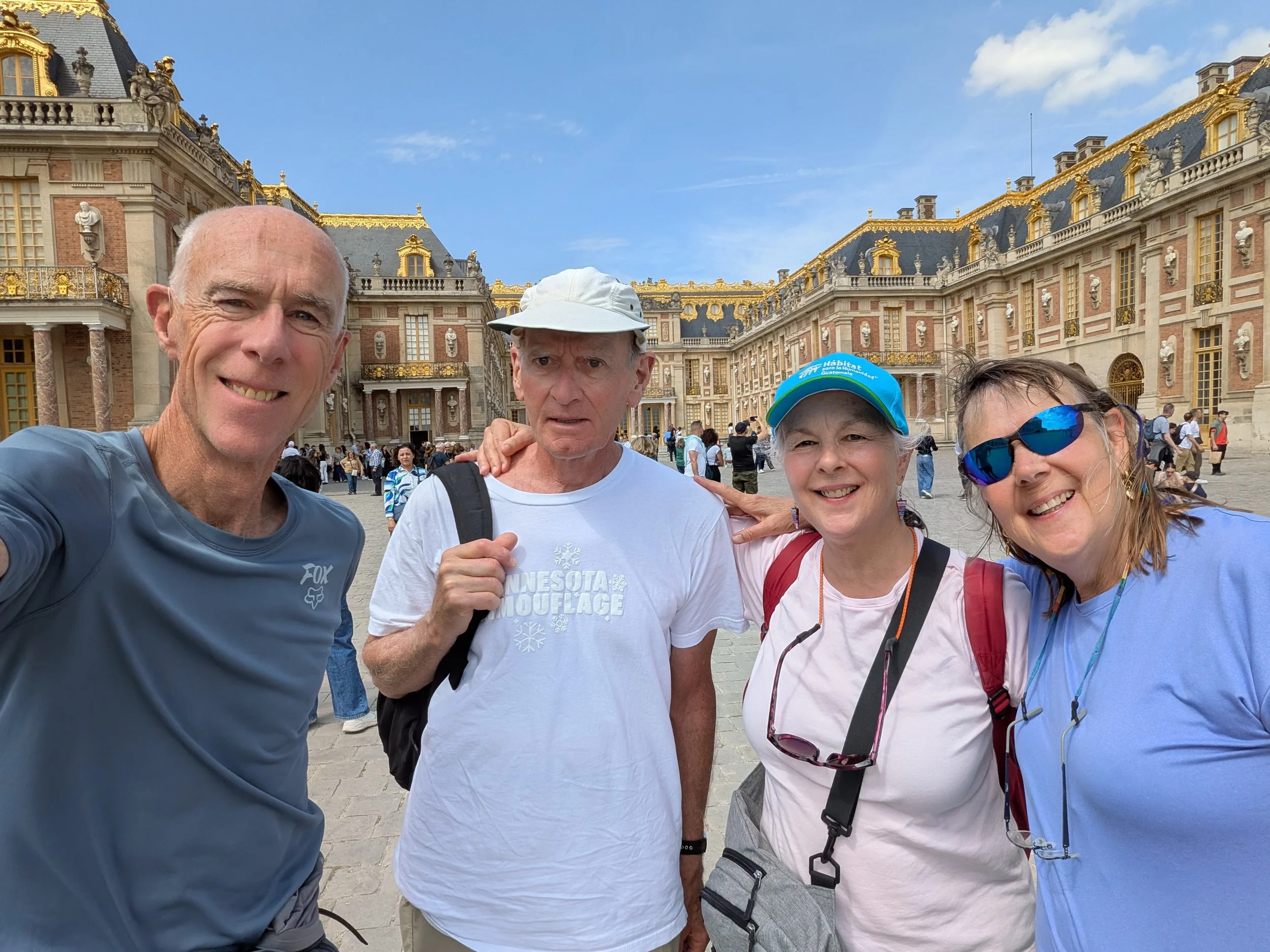
Outside the palace at Versailles
At Versailles, a former palace of Louis XIV, and Marie Antoinette among others, we saw the opulence of the French Monarchy before the revolution. The extreme economic disparity was evident in every statue, carving, and gold-foil-covered room. There were many causes for the revolution, but certainly disgust with the monarchs over their lives of excess was part of it. Below are a couple more pictures of the worlds largest Orangery, where tropical fruits were moved into huge storage rooms during colder weather. It still produces fruit which from what I could tell goes to waste.
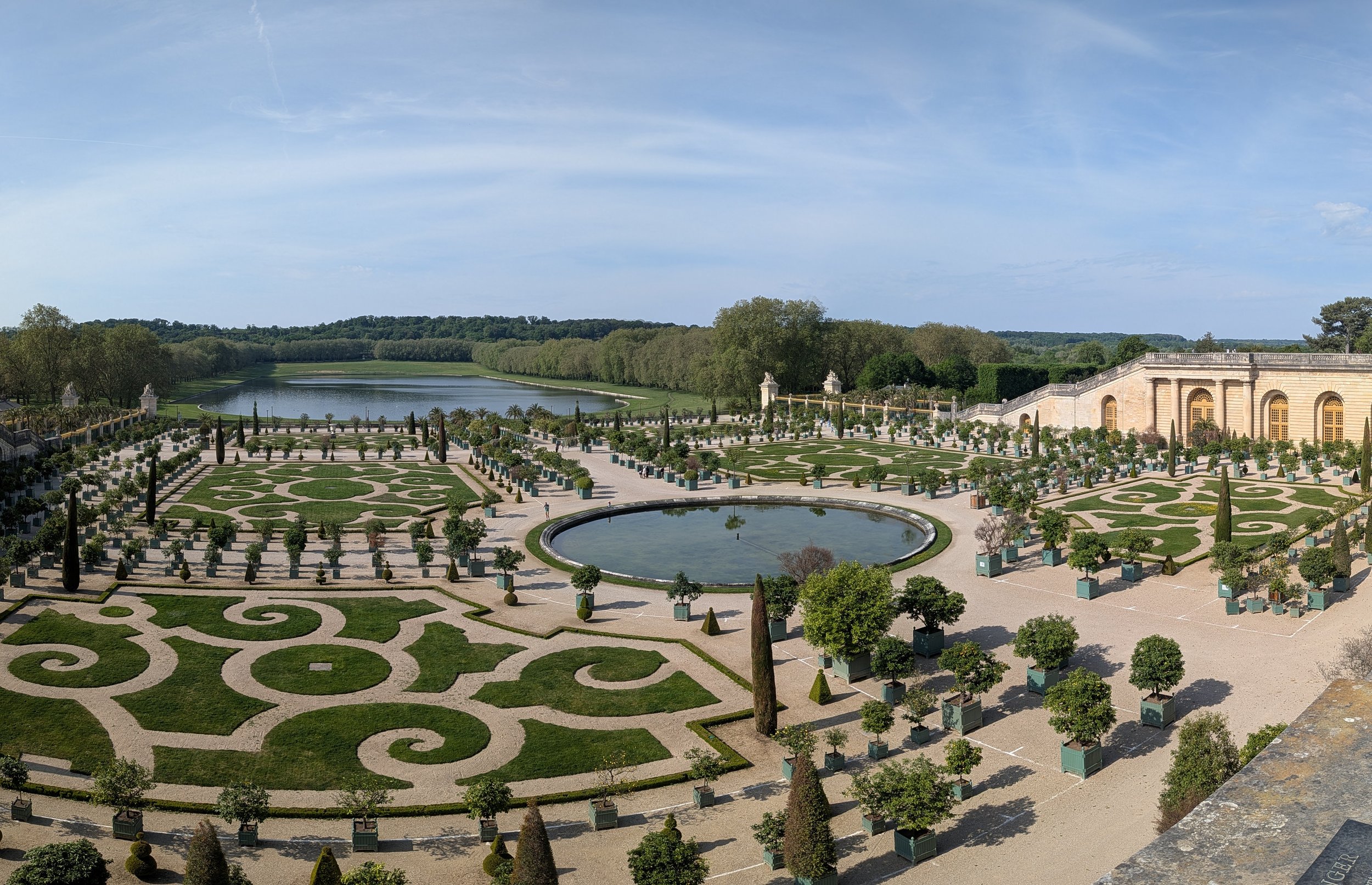
Orangery at Versailles. Note the 18 foot tall doors and storage area to the right (under a plaza)
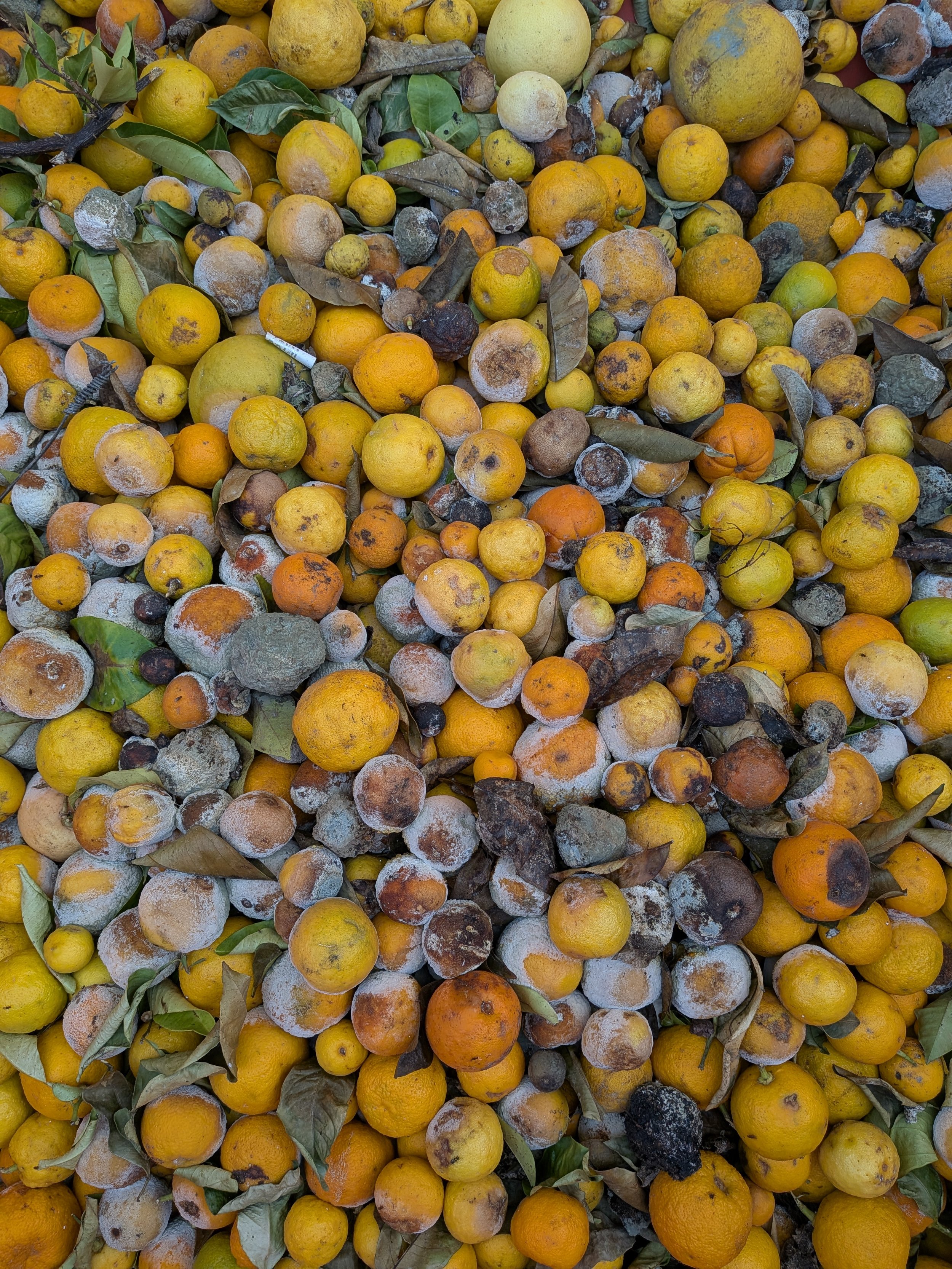
Rotten fruit in a bin at the Orangery.
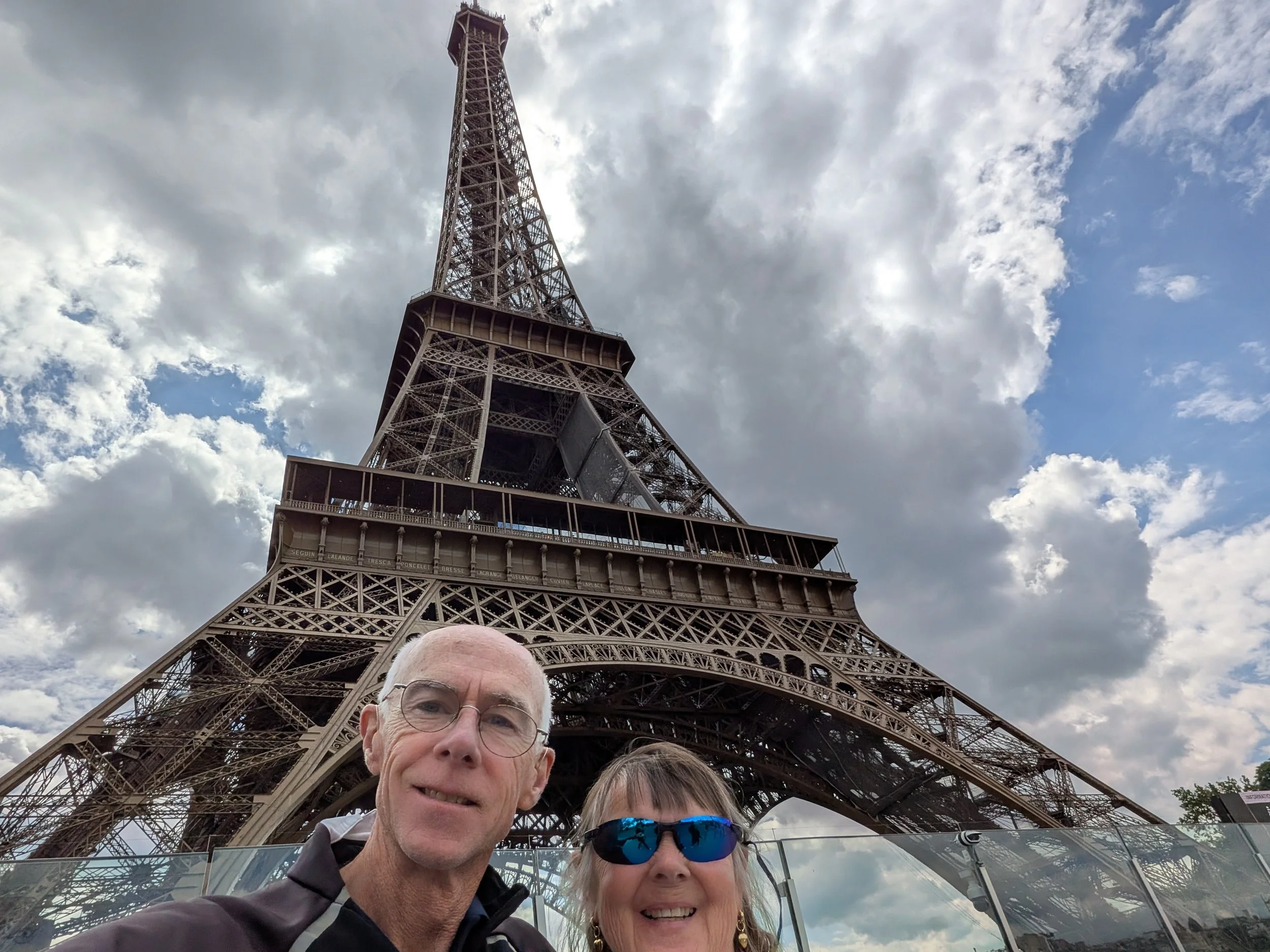
My oldest sister Mimi and I are near the Eiffel Tower. We have now met for visits in Chicago, New York City, and France over the years. We are both foodies and enjoyed many fine meals and admired the creativity of the chefs as well.
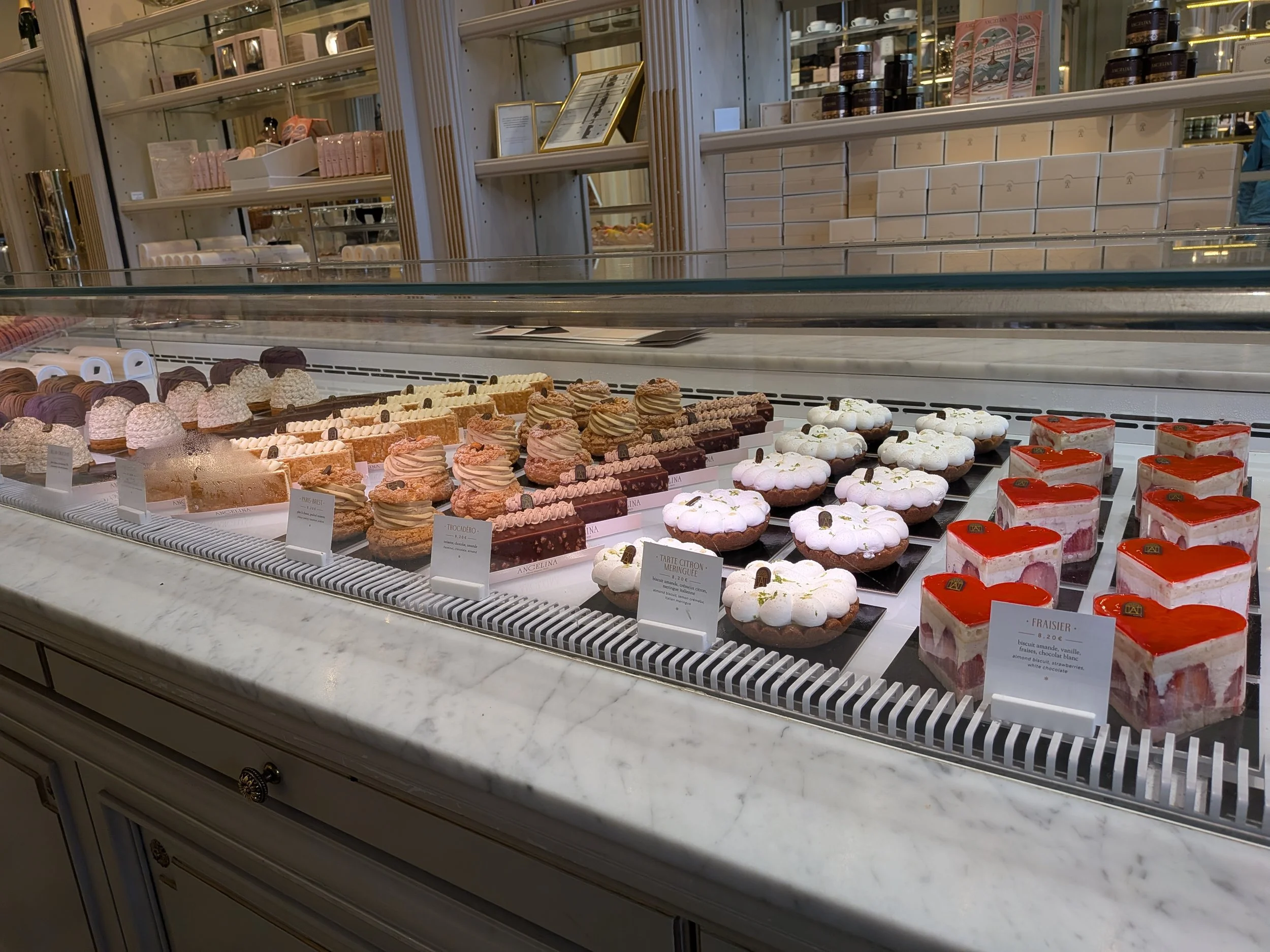
A display case inside a chocolate shop near the Place de Concord in Paris
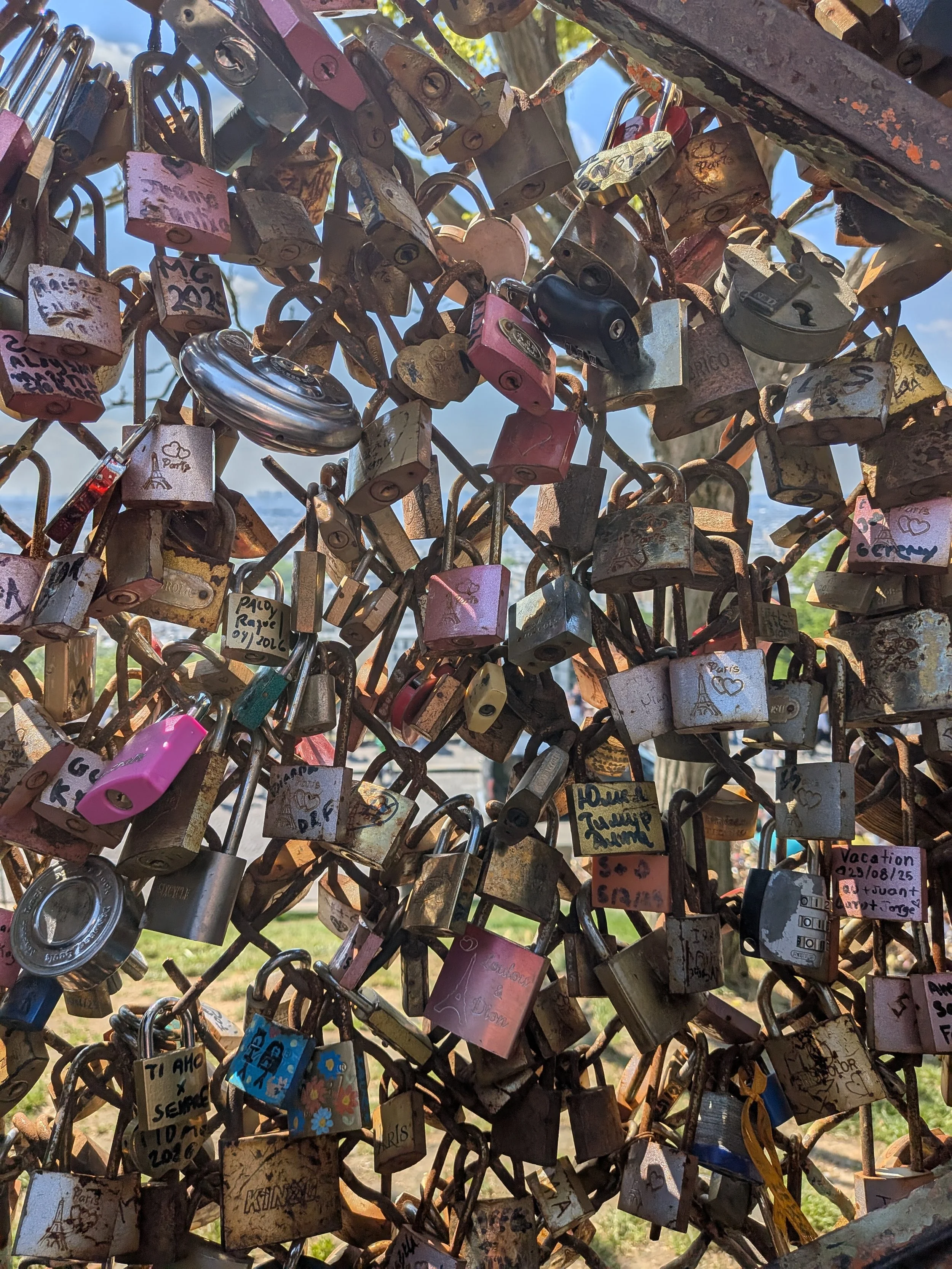
A typical railing covered in locks in Paris, this one on Montmarte, a hill top artist district. I saw city employees with bolt cutters walking around near bridges over the Seine river where the weight of the bridges is literally impacted by the thousands of locks.
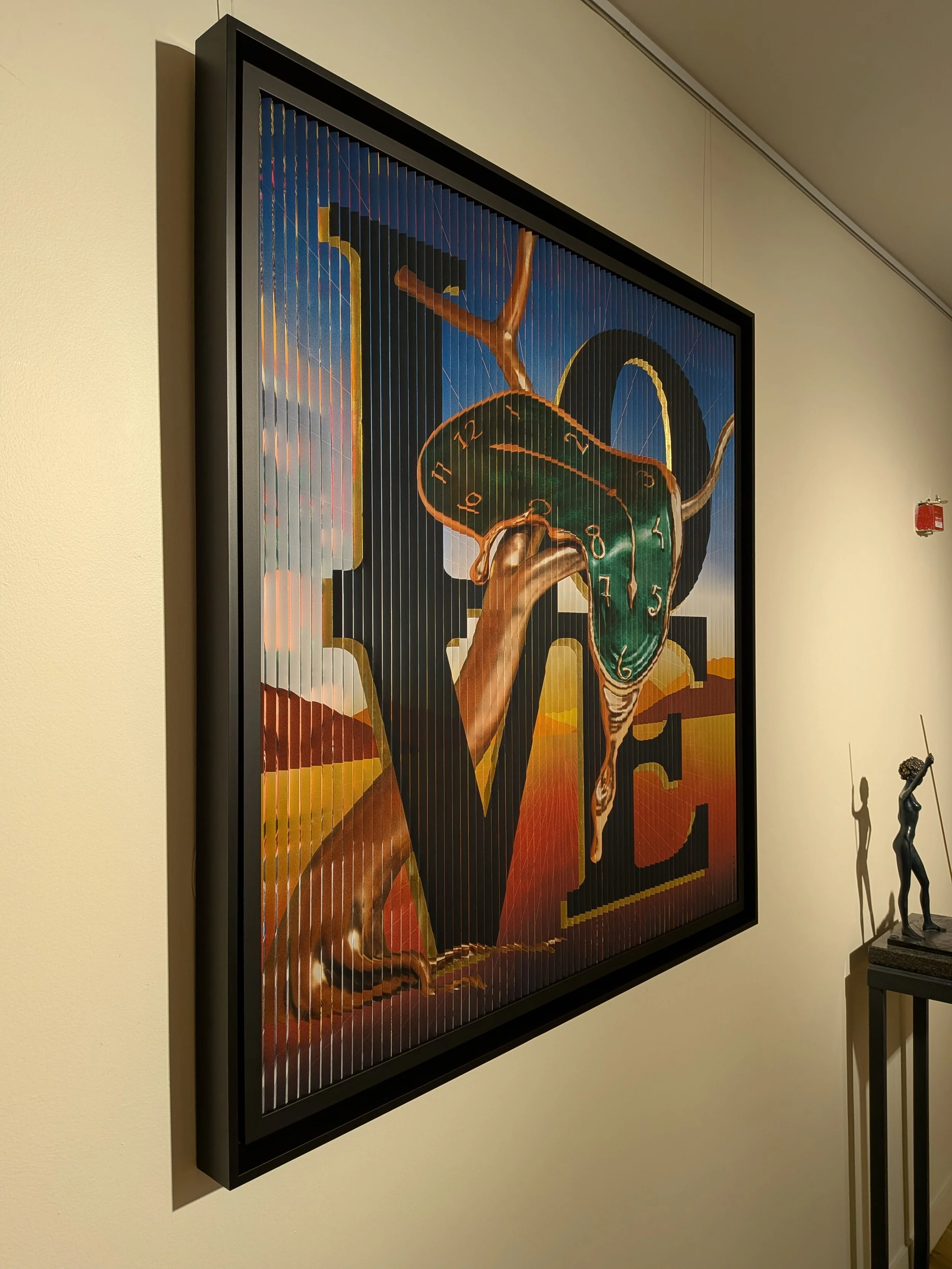
A Salvador Dali print in a museum dedicated to him on Montmartre. I found the origin of the persistent clock (droopy) was melted Camebert cheese, which is made exclusively in Normandy.
Of course I took hundreds of pictures in the week I was in France, took trains, metro, Uber, cars and walked many miles, but the above pictures capture the main things…economic disparity of the monarchs, war, art, gardens, and fascinating architecture and engineering. But of course the biggest takeaway is that I was able to finally rejoin my Dad and his brother in a figurative way that has meaning for me and my siblings.